When Flat Feet May Cause Foot or Ankle Pain
- posted: Mar. 18, 2026
Flat feet are a common structural condition that can affect how the foot absorbs pressure and supports body weight during movement. While some individuals with flat feet experience no symptoms, others may develop discomfort in the feet or ankles over time. At Wilmette Foot and Ankle Clinic in Wilmette, IL, Dr. Gary Rogers evaluates patients with flat feet to determine when this condition may be contributing to ongoing pain or mobility concerns.
Understanding how flat feet influence foot mechanics can help patients recognize when professional care may be beneficial.
Understanding Flat Foot Structure
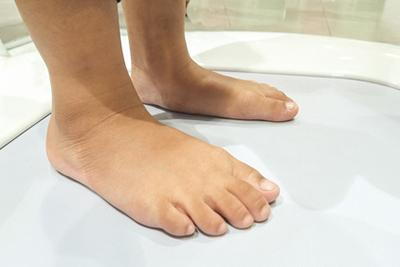
Flat feet occur when the arches of the feet collapse or remain low when standing or walking. Instead of maintaining a natural arch, the entire sole of the foot may come into contact with the ground.
This structural change can affect how body weight is distributed across the foot. Without proper arch support, the foot may roll inward excessively, a movement known as overpronation. Over time, this altered alignment can place strain on the foot, ankle, and surrounding tendons.
How Flat Feet May Lead to Pain
When the arch is unable to support the body efficiently, other structures in the foot and ankle must compensate. Tendons and ligaments may become overworked as they attempt to stabilize the foot during walking or activity.
Patients with flat feet may notice aching along the inside of the ankle, pain in the arch, or fatigue in the feet after standing or walking for extended periods. In some cases, discomfort may extend to the heel or lower leg as muscles attempt to compensate for the altered foot mechanics.
Signs That Flat Feet May Be Contributing to Symptoms
Not all flat feet cause pain, but certain symptoms may suggest that the condition is affecting foot function. Swelling along the inner ankle, stiffness after activity, or a gradual increase in foot fatigue may indicate that the arches are not providing adequate support.
Some individuals also notice changes in walking patterns or difficulty maintaining balance during physical activity. Because these symptoms can overlap with other foot conditions, professional evaluation is helpful for identifying the exact cause of discomfort.
Treatment Options for Flat Feet
Treatment for flat feet focuses on improving support and reducing strain on the affected structures. Supportive footwear and custom orthotics are commonly recommended to provide arch support and promote proper alignment during movement.
Stretching and strengthening exercises may also help improve flexibility and stability in the foot and ankle. In many cases, conservative treatments can significantly reduce discomfort and improve daily mobility.
Flat Feet Care in Wilmette, IL
Foot or ankle pain related to flat feet should be evaluated to prevent ongoing strain and discomfort. Wilmette Foot and Ankle Clinic provides comprehensive diagnosis and treatment for flat feet and other structural foot conditions in Wilmette, IL.
If you are experiencing persistent foot or ankle pain, call 847-256-3338 to schedule an appointment with Dr. Gary Rogers and learn about treatment options that can help restore comfort and support healthy movement.
- posted: Mar. 18, 2026
Flat feet are a common structural condition that can affect how the foot absorbs pressure and supports body weight during movement. While some individuals with flat feet experience no symptoms, others may develop discomfort in the feet or ankles over time. At Wilmette Foot and Ankle Clinic in Wilmette, IL, Dr. Gary Rogers evaluates patients with flat feet to determine when this condition may be contributing to ongoing pain or mobility concerns.
Understanding how flat feet influence foot mechanics can help patients recognize when professional care may be beneficial.
Understanding Flat Foot Structure
Flat feet occur when the arches of the feet collapse or remain low when standing or walking. Instead of maintaining a natural arch, the entire sole of the foot may come into contact with the ground.
This structural change can affect how body weight is distributed across the foot. Without proper arch support, the foot may roll inward excessively, a movement known as overpronation. Over time, this altered alignment can place strain on the foot, ankle, and surrounding tendons.
How Flat Feet May Lead to Pain
When the arch is unable to support the body efficiently, other structures in the foot and ankle must compensate. Tendons and ligaments may become overworked as they attempt to stabilize the foot during walking or activity.
Patients with flat feet may notice aching along the inside of the ankle, pain in the arch, or fatigue in the feet after standing or walking for extended periods. In some cases, discomfort may extend to the heel or lower leg as muscles attempt to compensate for the altered foot mechanics.
Signs That Flat Feet May Be Contributing to Symptoms
Not all flat feet cause pain, but certain symptoms may suggest that the condition is affecting foot function. Swelling along the inner ankle, stiffness after activity, or a gradual increase in foot fatigue may indicate that the arches are not providing adequate support.
Some individuals also notice changes in walking patterns or difficulty maintaining balance during physical activity. Because these symptoms can overlap with other foot conditions, professional evaluation is helpful for identifying the exact cause of discomfort.
Treatment Options for Flat Feet
Treatment for flat feet focuses on improving support and reducing strain on the affected structures. Supportive footwear and custom orthotics are commonly recommended to provide arch support and promote proper alignment during movement.
Stretching and strengthening exercises may also help improve flexibility and stability in the foot and ankle. In many cases, conservative treatments can significantly reduce discomfort and improve daily mobility.
Flat Feet Care in Wilmette, IL
Foot or ankle pain related to flat feet should be evaluated to prevent ongoing strain and discomfort. Wilmette Foot and Ankle Clinic provides comprehensive diagnosis and treatment for flat feet and other structural foot conditions in Wilmette, IL.
If you are experiencing persistent foot or ankle pain, call 847-256-3338 to schedule an appointment with Dr. Gary Rogers and learn about treatment options that can help restore comfort and support healthy movement.
Our Location
1919 Lake Ave Ste A
Wilmette, IL 60091-1480
